

15 Natural Ways to Relieve Lower Back Pain Without Painkillers
Lower Back Pain Relief: A Natural Approach That Works
Lower back pain is one of the most common health problems worldwide. Whether it develops after sitting at a desk for long hours, lifting heavy objects incorrectly, or as part of age-related changes, it can significantly affect your quality of life.
According to the World Health Organization (WHO), low back pain is the leading cause of disability globally and affects hundreds of millions of people every year. Fortunately, many cases can be managed with simple lifestyle changes, regular movement, and evidence-based self-care rather than relying solely on painkillers.
Pain medications may provide temporary relief, but they do not always address the underlying causes of pain. Long-term or excessive use of certain painkillers may also increase the risk of side effects, making natural pain management strategies an important part of overall care.
In this guide, you'll discover 15 practical, medically supported ways to relieve lower back pain naturally, improve mobility, and reduce the likelihood of recurring discomfort.
Table of Contents
- What Is Lower Back Pain?
- Common Causes of Lower Back Pain
- When Should You See a Doctor?
- 15 Natural Ways to Relieve Lower Back Pain
- Frequently Asked Questions
What Is Lower Back Pain?
Lower back pain refers to discomfort or stiffness in the lumbar region of the spine—the area between your ribs and pelvis. It can vary from a mild, dull ache to severe pain that limits movement.
The condition may be classified as:
- Acute: Lasts less than 6 weeks.
- Subacute: Lasts between 6 and 12 weeks.
- Chronic: Persists for more than 12 weeks.
Lower back pain may originate from muscles, ligaments, joints, spinal discs, nerves, or surrounding tissues. In some cases, it may also be linked to underlying medical conditions affecting the kidneys, spine, or other organs.
Common Causes of Lower Back Pain
Understanding the cause of your pain is the first step toward choosing the most effective treatment.
Some common causes include:
- Poor posture while sitting or standing
- Prolonged desk work
- Weak core muscles
- Muscle strain from lifting heavy objects
- Herniated or slipped disc
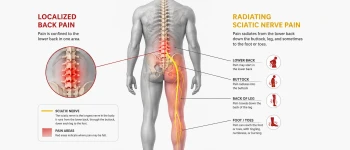
- Sciatica
- Arthritis
- Degenerative disc disease
- Obesity
- Sedentary lifestyle
- Pregnancy
- Stress-related muscle tension
People who spend long hours driving, working on computers, or performing repetitive physical tasks are particularly vulnerable.
When Should You See a Doctor?
Although many cases improve with self-care, seek medical attention immediately if your back pain is accompanied by:
- Loss of bladder or bowel control
- Severe weakness in one or both legs
- Numbness around the groin or buttocks
- High fever with back pain
- Pain after a major accident or fall
- Unexplained weight loss
- Persistent pain lasting longer than six weeks
- Pain that worsens despite home care
Early diagnosis helps prevent complications and ensures appropriate treatment.
15 Natural Ways to Relieve Lower Back Pain Without Painkillers
1. Stay Active Instead of Staying in Bed
One of the biggest misconceptions is that complete bed rest is the best treatment for back pain.
Research now shows that prolonged inactivity may actually delay recovery. Gentle movement improves blood circulation, reduces stiffness, and helps maintain muscle strength.
Try:
- Walking for 15–30 minutes
- Light household activities
- Gentle stretching
- Swimming (if approved by your healthcare provider)
Avoid strenuous lifting or high-impact activities until the pain improves.
Expert Tip: If sitting for long periods is unavoidable, stand up and move every 30–45 minutes.
2. Practice Gentle Stretching Every Day
Tight muscles around the hips, hamstrings, and lower back often contribute to persistent pain.
Daily stretching improves flexibility, reduces muscle tension, and increases spinal mobility.
Helpful stretches include:
- Cat-Cow Stretch
- Child's Pose
- Knee-to-Chest Stretch
- Pelvic Tilt
- Seated Spinal Twist
- Hamstring Stretch
Hold each stretch for 20–30 seconds without bouncing, and stop if you experience sharp pain.
3. Strengthen Your Core Muscles
Your abdominal and back muscles act as a natural support system for your spine.
Weak core muscles place additional stress on the lower back, increasing the risk of recurring pain.
Begin with beginner-friendly exercises such as:
- Bird Dog
- Dead Bug
- Modified Plank
- Glute Bridge
- Side Plank
Consistency matters more than intensity. Even 10–15 minutes a day can make a significant difference over time.
4. Improve Your Sitting Posture
Poor posture is a leading contributor to lower back pain, especially among office workers.
When sitting:
- Keep both feet flat on the floor.
- Maintain knees at approximately hip level.
- Sit with your back fully supported.
- Keep your computer screen at eye level.
- Relax your shoulders.
If you work on a computer for several hours each day, consider using an ergonomic chair or a lumbar support cushion.
5. Use Heat Therapy
Applying heat can help relax tight muscles, improve blood circulation, and reduce stiffness.
Heat therapy is particularly beneficial for chronic muscle tension rather than sudden injuries.
Options include:
- Heating pads
- Warm towels
- Hot water bottles
- Warm showers
Apply heat for about 15–20 minutes at a time while protecting your skin from direct burns.
6. Maintain a Healthy Weight
Excess body weight increases pressure on the spine and supporting muscles, making back pain more likely.
Losing even a modest amount of weight can reduce stress on the lower back and improve mobility.
Focus on:
- Balanced nutrition
- Regular physical activity
- Adequate hydration
- Consistent sleep patterns
Gradual, sustainable lifestyle changes are more effective than crash diets for long-term spinal health.
7. Sleep in a Spine-Friendly Position
Your sleeping posture can either support recovery or worsen back pain.
For better spinal alignment:
- Sleep on your side with a pillow between your knees.
- If sleeping on your back, place a pillow under your knees.
- Avoid sleeping on your stomach, as it may strain the lower back and neck.
A medium-firm mattress is often recommended for many individuals with lower back discomfort, although personal comfort and support should guide your choice.
Key Takeaways So Far
Natural lower back pain relief often comes from small, consistent lifestyle changes rather than a single solution. Staying active, stretching regularly, strengthening your core, improving posture, using heat therapy, maintaining a healthy weight, and adopting healthy sleep habits can all help reduce pain and improve spinal function over time.
Further, we'll cover the remaining eight natural strategies, including stress management, anti-inflammatory nutrition, proper lifting techniques, yoga, hydration, quitting smoking, mindfulness, and when professional evaluation may be necessary.
---
8. Eat an Anti-Inflammatory Diet
Inflammation can contribute to persistent pain in some individuals, especially when combined with conditions like arthritis or obesity. While food alone cannot cure lower back pain, a balanced, anti-inflammatory diet may help reduce inflammation and support overall musculoskeletal health.
Include more of these foods in your diet:
| Foods to Eat | Benefits |
| Fatty fish (salmon, sardines) | Rich in Omega-3 fatty acids that may help reduce inflammation |
| Leafy green vegetables |
High in antioxidants and vitamins |
| Berries | Contain natural anti-inflammatory compounds |
| Turmeric | Curcumin may help reduce inflammation |
| Ginger | Traditionally used to support joint health |
| Nuts and seeds | Healthy fats and essential minerals |
| Whole grains | Support overall health and weight management |
Try to limit:
- Sugary beverages
- Highly processed foods
- Excessive alcohol
- Deep-fried foods
- Excess salt
A healthy diet also supports maintaining an ideal body weight, reducing pressure on the spine.
9. Learn the Correct Way to Lift Heavy Objects
Incorrect lifting techniques are one of the leading causes of sudden lower back injuries.
Whenever lifting something heavy:
✅ Bend at your knees instead of your waist.
✅ Keep the object close to your body.
✅ Tighten your core muscles.
✅ Avoid twisting while lifting.
✅ Ask for help if the object feels too heavy.
Many workplace back injuries can be prevented simply by following proper lifting mechanics.
10. Stay Hydrated
Your spinal discs contain a high percentage of water. Staying adequately hydrated helps maintain disc health and supports normal joint function.
While drinking more water is not a direct treatment for back pain, dehydration may contribute to muscle cramps and reduced tissue function.
Aim for:
- 2–3 litres of water daily (depending on activity level and climate)
- More fluids during hot weather or exercise
Good hydration also supports muscle recovery and overall physical performance.
11. Try Low-Impact Exercise
People often avoid exercise because they fear it will worsen their pain. However, appropriate low-impact activities can improve flexibility, strengthen muscles, and reduce stiffness.
Good options include:
- Walking
- Swimming
- Cycling
- Water aerobics
- Gentle yoga
- Tai Chi
Start slowly and increase activity gradually. If pain worsens significantly during exercise, consult a healthcare professional.
12. Manage Stress Effectively
Stress doesn't just affect your mind—it can also affect your muscles.
When you're stressed, muscles tend to tighten, particularly around the neck, shoulders, and lower back. Over time, this tension may contribute to chronic pain.
Simple stress-management techniques include:
- Deep breathing exercises
- Meditation
- Spending time outdoors
- Listening to calming music
- Journaling
- Speaking with friends or family
- Maintaining a regular sleep schedule
Taking care of your mental well-being is an important part of managing physical pain.
13. Practice Yoga for Flexibility and Strength
Yoga combines stretching, strengthening, controlled breathing, and relaxation, making it a popular option for people with non-specific lower back pain.
Beginner-friendly poses include:
- Child's Pose
- Cat-Cow Stretch
- Cobra Pose
- Sphinx Pose
- Bridge Pose
If you're new to yoga or have severe pain, learn under the guidance of a qualified instructor to ensure correct posture and avoid injury.
14. Quit Smoking
Smoking affects more than just your lungs.
Research suggests that smoking reduces blood flow to spinal tissues, slows healing, and may increase the risk of degenerative disc disease.
People who smoke are also more likely to develop chronic back pain than non-smokers.
Quitting smoking benefits:
- Better circulation
- Improved tissue healing
- Reduced inflammation
- Better bone health
- Lower risk of chronic pain
If you need help quitting, consult your healthcare provider or a smoking cessation programme.
15. Listen to Your Body and Don't Ignore Persistent Pain
Natural remedies work well for many people, but they are not a substitute for professional medical evaluation when symptoms persist or worsen.
If your lower back pain:
- Continues for several weeks
- Keeps returning
- Radiates down one or both legs
- Causes numbness or weakness
- Prevents normal daily activities
…it is important to consult a qualified healthcare professional for a proper diagnosis and treatment plan.
Early intervention can help identify underlying conditions and prevent long-term complications.
Frequently Asked Questions (FAQs)
1. What is the fastest natural way to relieve lower back pain?
Gentle movement, applying heat, light stretching, and maintaining good posture can provide relief for many people with mild lower back pain. However, the best approach depends on the underlying cause of the pain.
2. Is walking good for lower back pain?
Yes. Walking is one of the safest low-impact exercises for many people with lower back pain. It helps improve circulation, maintain flexibility, and strengthen supporting muscles without placing excessive strain on the spine.
3. Can lower back pain go away without medication?
Many cases of acute lower back pain improve within a few weeks through self-care measures such as staying active, exercising, improving posture, and getting adequate rest. Persistent or severe pain should always be evaluated by a healthcare professional.
4. Which sleeping position is best for lower back pain?
Sleeping on your side with a pillow between your knees or on your back with a pillow under your knees may help maintain proper spinal alignment and reduce pressure on the lower back.
5. Does sitting too long cause lower back pain?
Yes. Prolonged sitting, especially with poor posture, can increase pressure on the lumbar spine and contribute to muscle stiffness. Taking short breaks every 30–45 minutes can help reduce this risk.
6. When should I worry about lower back pain?
Seek immediate medical attention if your back pain is accompanied by:
- Loss of bladder or bowel control
- Severe leg weakness
- Numbness around the groin
- High fever
- Significant trauma
- Unexplained weight loss
- Persistent pain lasting more than six weeks

Author: Varun Ahuja
Acupressure & Acupuncture Therapist | Dietetic Aide | Pain Management Specialist with over 12 years of clinical experience, I offer non-invasive, drug-free treatments for chronic pain, health issues. My practice integrates personalized acupressure and acupuncture therapies, including advanced techniques like acupuncture, electroacupuncture, cupping, and Sujok therapy, along with diet and lifestyle counseling based on Ayurvedic principles. My mission is to make natural and accessible pain management available to all, reducing dependence on medications. Explore my work and online therapy platform at www.livecure24.com.
Feel free to use images in our website by simply providing a source link to the page they are taken from.
-- LiveCure24
FAQ
FAQ
qqqq


w
Share views on 15 Natural Ways to Relieve Lower Back Pain Without Painkillers
Please keep your views respectful and not include any anchors, promotional content or obscene words in them. Such comments will be definitely removed and your IP be blocked for future purpose.
 4th Jun 2025
 26th Jul 2026
 7th Aug 2026
 12th Aug 2026
 5th May 2025
 10th Oct 2025
 5th May 2025
 9th Dec 2024
 19th Dec 2024
 27th Sep 2025
 19th Dec 2024
 2nd May 2025
 18th Jun 2025
 26th Jul 2026

